Why voice is harder than chat
- Speech-to-text (STT) — streaming transcription with barge-in support
- LLM reasoning — intent, tool calls, policy checks
- Text-to-speech (TTS) — low-latency, natural prosody
- Telephony / WebRTC — phone numbers, SIP, or in-browser audio
Get one layer wrong and the whole experience feels broken, even if the model is smart.
Platform landscape (2025–2026)
Deepgram — unified voice agent API
ElevenLabs — Conversational AI 2.0
Vapi — orchestration for developers
Twilio — the phone network
Caller → Twilio / WebRTC
       → Vapi (or custom orchestrator)
           → Deepgram STT (streaming)
           → LLM + tools (OpenAI / Claude)
           → ElevenLabs or Deepgram TTS
       → Caller hears response (<800ms target)
Keep business logic outside the audio loop: lookup CRM records, book appointments, and escalate to humans through normal APIs the LLM calls as tools.
- Barge-in — user can interrupt; agent stops speaking
- Fallback paths — "I didn't catch that" + DTMF or SMS backup
- PII handling — redact or avoid logging raw audio/transcripts where regulated
- Latency budget — measure end-to-end; optimize the slowest hop first (often TTS or LLM)
- Evaluation — scripted call scenarios with expected tool calls and phrases
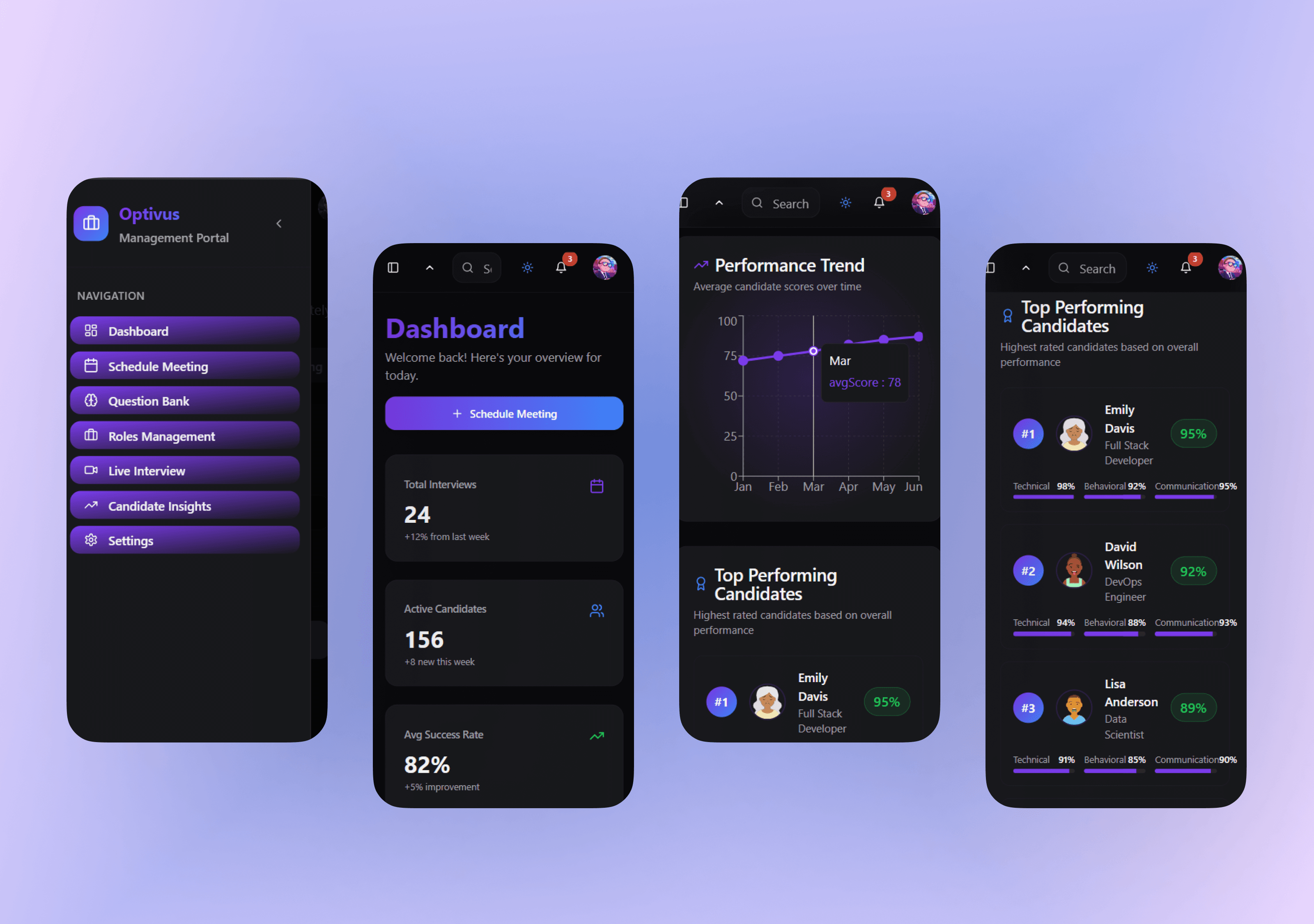
Voice fits products that are hands-busy or high-trust: booking lines, interview prep (Optivus), proctoring support, and IELTS practice flows. The same agent brain can power web voice widgets and phone lines if orchestration is separated from transport.
Voice agents are converging fast — fewer teams will stitch STT, LLM, and TTS manually. Whether you use an all-in-one API or Vapi + Deepgram + ElevenLabs, success still comes down to tight loops, clear tools, and ruthless latency testing.
Build the conversation like a product, not a demo script.